Wildlife photography demands precision and the right equipment. Capturing the majesty of the jaguar, an elusive predator, presents an exciting challenge for any photographer. Choosing the correct optical tools is fundamental to immortalizing its ferocity and beauty in its natural habitat.
In 2026, optical technology continues to advance, offering new possibilities for nature photography enthusiasts. For those who dream of documenting the jaguar, investing in the best lenses for photographing jaguars in 2026 is a crucial step. An ideal lens can make the difference between a blurry shot and an iconic image.
Introduction: Capturing the Essence of the Jaguar with the Right Optics
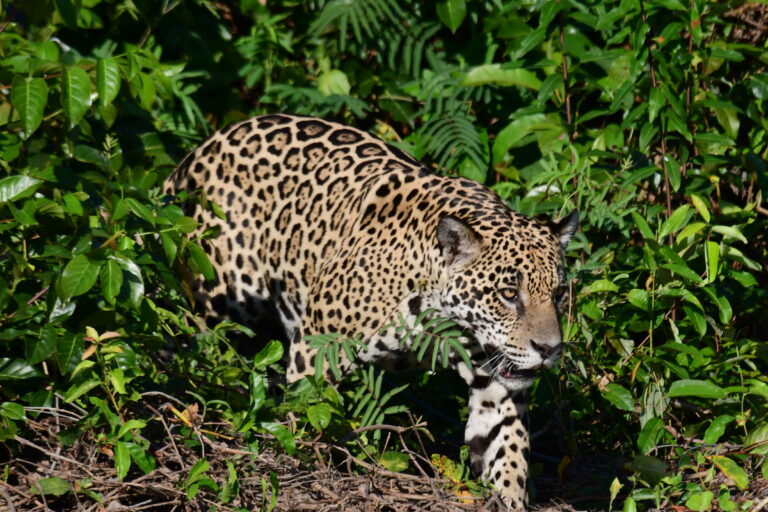
The jaguar, with its spotted coat and piercing gaze, is one of the most impressive felines on the planet. Its elusive behavior and often dense habitat make photographing it a task that requires patience, knowledge, and above all, the right equipment. Optics play a vital role in the ability to approach this animal without disturbing it and to capture sharp details.
A suitable lens not only extends your visual reach but also influences image quality, light management, and the ability to isolate the subject from the background. In the context of wildlife photography, especially with animals as cautious as the jaguar, choosing the best lenses for photographing jaguars in 2026 becomes a strategic decision that can define the success of the expedition.
Key Factors When Choosing Your Jaguar Photography Lens
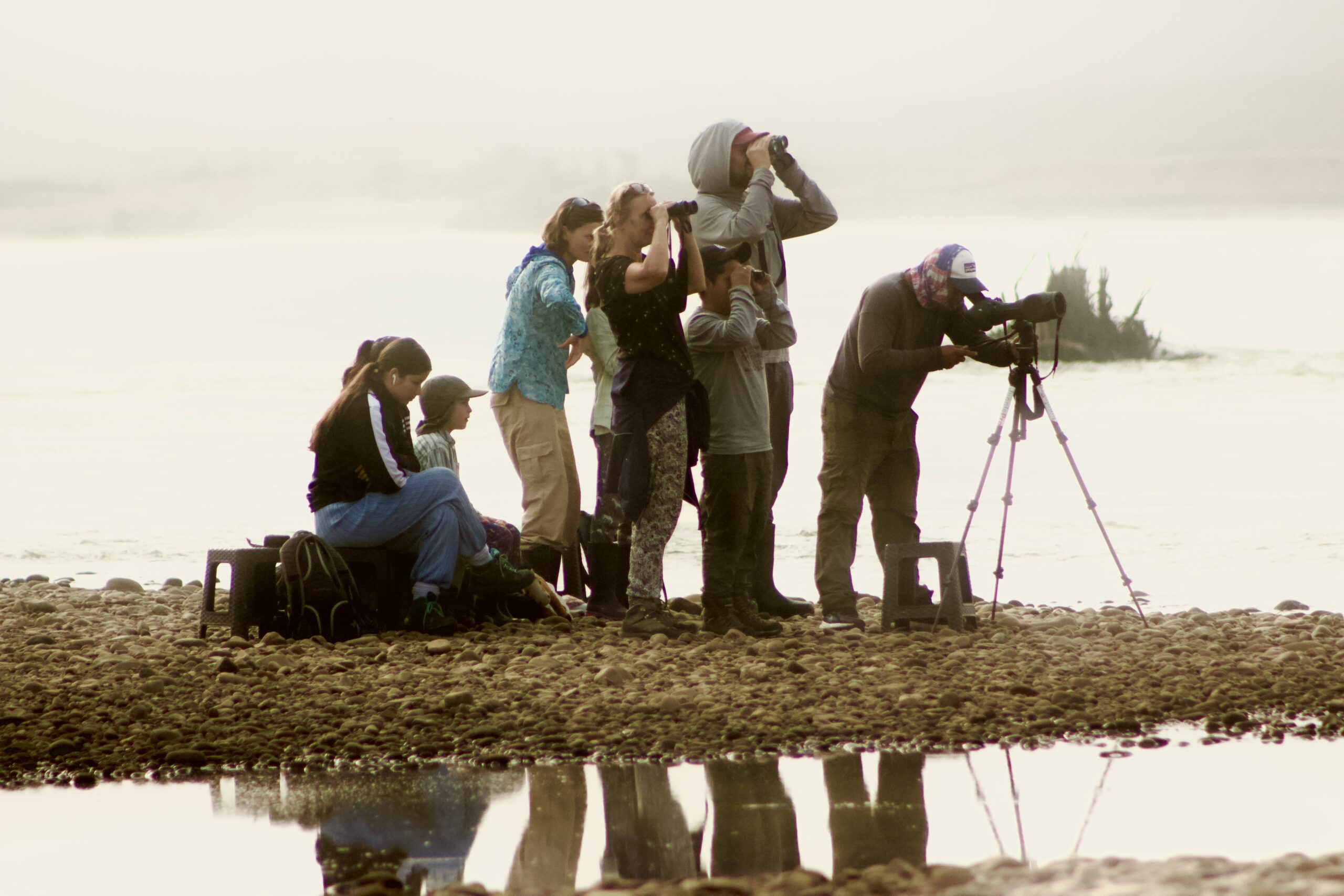
One of the primary factors is focal length. Since jaguars are often found in jungle environments or on riverbanks, it’s usually necessary to maintain a considerable distance to avoid startling them. Long telephoto lenses, typically in the range of 300mm to 600mm, are essential for achieving detailed close-ups without invading their living space. This not only ensures the photographer’s safety but also the animal’s well-being, allowing for the capture of natural behaviors.
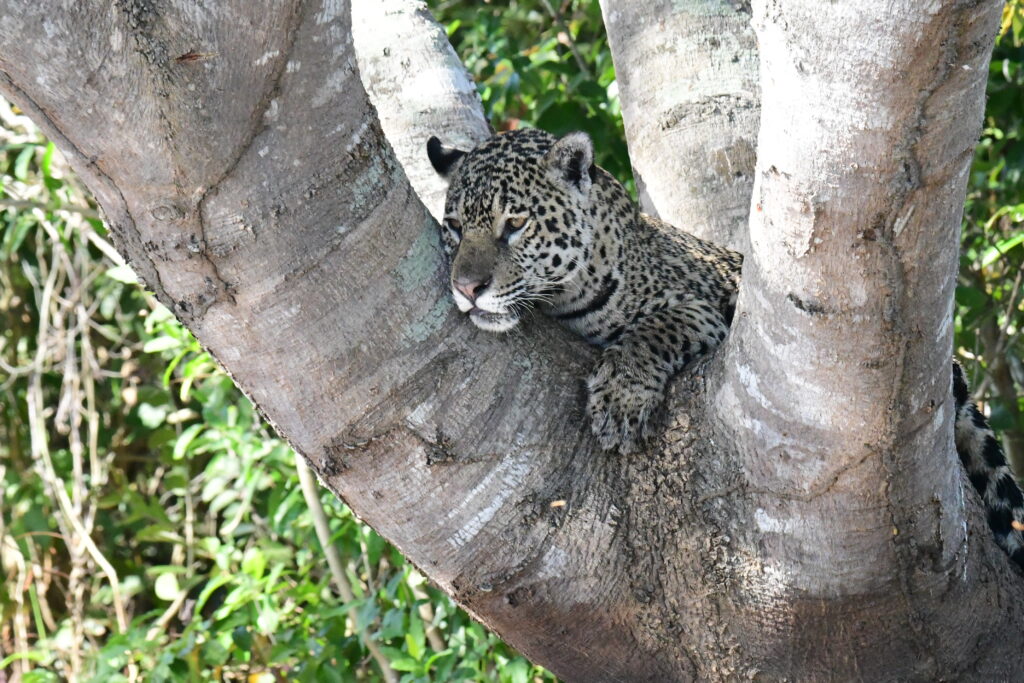
The maximum aperture of the lens is another critical component. A wide aperture, such as f/2.8 or f/4, allows for more light entry, which is indispensable for shooting in low-light conditions, common in dense jungles and at dawn or dusk. Furthermore, a wide aperture facilitates the creation of attractive background blur (bokeh), helping the jaguar stand out prominently in the image, isolating it from the surroundings.
Image stabilization (IS or VR, depending on the brand) is an indispensable ally, especially when using long telephoto lenses and shooting from mobile or unstable platforms like those on a safari boat. This technology compensates for vibrations, allowing for sharp images even at slower shutter speeds. Also consider the weight and ergonomics of the lens, as you’ll be holding it for hours. A lightweight and well-balanced lens reduces fatigue and improves the overall experience, allowing you to focus on capturing the perfect moment.
Best Lens Types Recommended for 2026
In 2026, high-end telephoto zoom lenses (e.g., 100-400mm, 150-600mm) and fast prime telephoto lenses (e.g., 300mm f/2.8, 400mm f/4) remain the top choice for photographing jaguars, offering versatility and superior optical quality.
Additional Tips to Maximize Your Jaguar Shots
Preparation and knowledge of the terrain are as important as the equipment. If you’re planning your adventure, consider specialized tours like the Pantanal Jaguar Safaris 5 days (Lodge), where expert guides know the best locations and times for jaguar sightings. Patience is key; sometimes, waiting hours for the perfect shot is necessary. Familiarize yourself with jaguar behavior: their hunting patterns, resting routines, and peak activity hours.
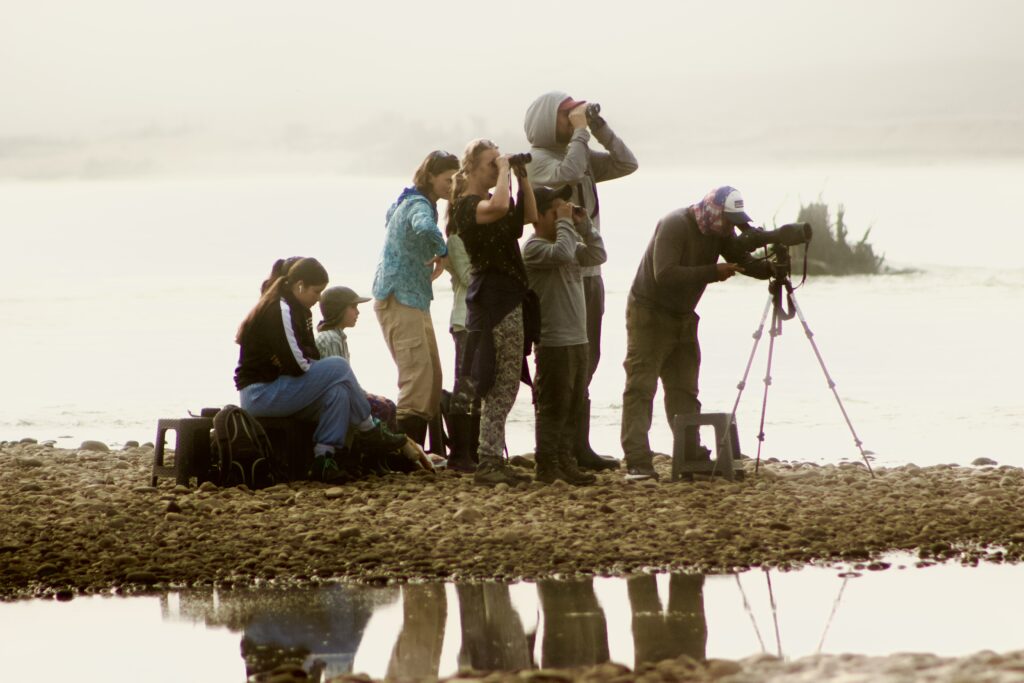
In addition to a great lens, make sure to bring spare batteries, memory cards, and a cleaning kit for your equipment. Wildlife photography often involves working in humid and dusty environments. If you’re looking for a shorter but equally intense experience, the Pantanal Jaguar Safaris 4 Days (Lodge) are an excellent option. Understanding natural light will allow you to anticipate the best times of day to shoot, taking advantage of the “golden hours” for dramatic colors and shadows. Practice burst shooting to capture action and don’t forget to experiment with different angles and compositions to add variety to your portfolio of the best lenses for photographing jaguars in 2026.
Frequently Asked Questions About Jaguar Photography Lenses
Do I need a zoom lens or a prime lens?
Both have their advantages. A telephoto zoom lens offers framing versatility, while a prime lens is usually brighter and sharper, ideal for low-light conditions and achieving greater subject separation.
What is the recommended minimum focal length?
For jaguar photography, a minimum of 300mm is recommended to capture good shots without getting too close, and lenses up to 600mm or more are ideal for detail.
Is image stabilization important?
Yes, it is very important. Image stabilization helps to compensate for hand movement, which is crucial when using long telephoto lenses and in low-light situations or on unstable platforms.