Introduction
Planning a safari to the Pantanal requires considering the ideal time to maximize the experience. If you’re wondering if a Pantanal safari in July is a good option, the answer is a resounding yes. This month marks the beginning of the dry season, a key period for wildlife observation.
The possibility of spotting a great diversity of animals in their natural habitat increases notably during July. The vegetation reduces, facilitating visibility, and animals tend to congregate near the remaining water sources, offering unforgettable spectacles for nature lovers.
Why July is the Ideal Month for Your Pantanal Safari
July stands out as an exceptional month to embark on a Pantanal safari in July, primarily due to the climatic conditions and animal behavior. The onset of the dry season means rainfall decreases drastically, resulting in a more accessible landscape with less dense vegetation. This reduction in plant cover greatly aids animal spotting, as they become more visible in clearings and near water bodies, which become vital gathering points. The abundance of wildlife in a clearer environment is an unparalleled draw for any visitor.

In addition to better visibility, July offers more pleasant temperatures for exploration. Days are usually sunny and warm, but nights are cool, making morning and evening excursions particularly enjoyable. This climate comfort, combined with the concentration of animals around the remaining water sources, ensures that a Pantanal safari in July offers unparalleled opportunities for wildlife photography and for an authentic experience in one of the planet’s richest ecosystems. It’s the perfect time to plan your adventure.
Wildlife You Can Observe in July
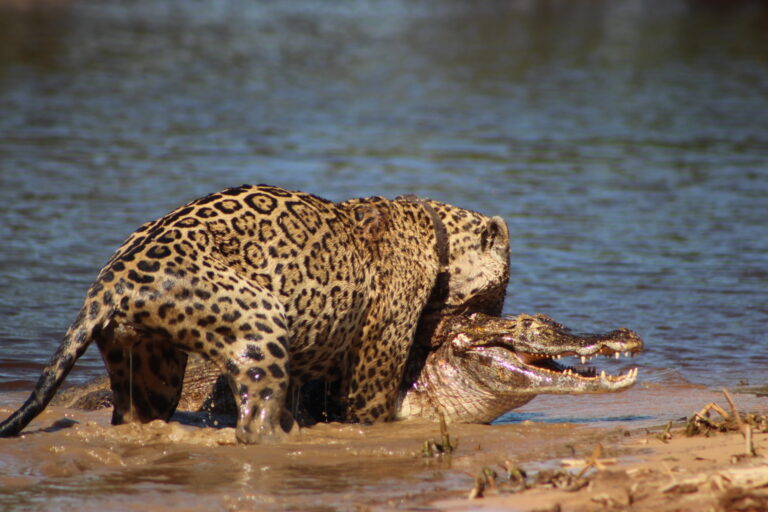
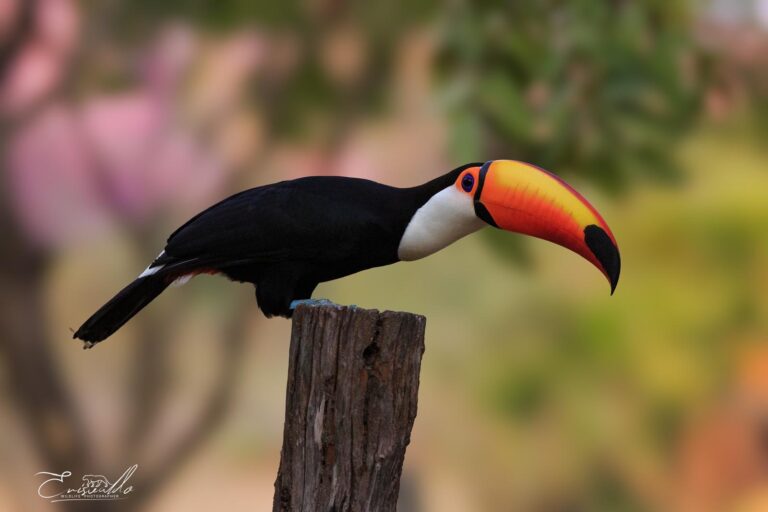
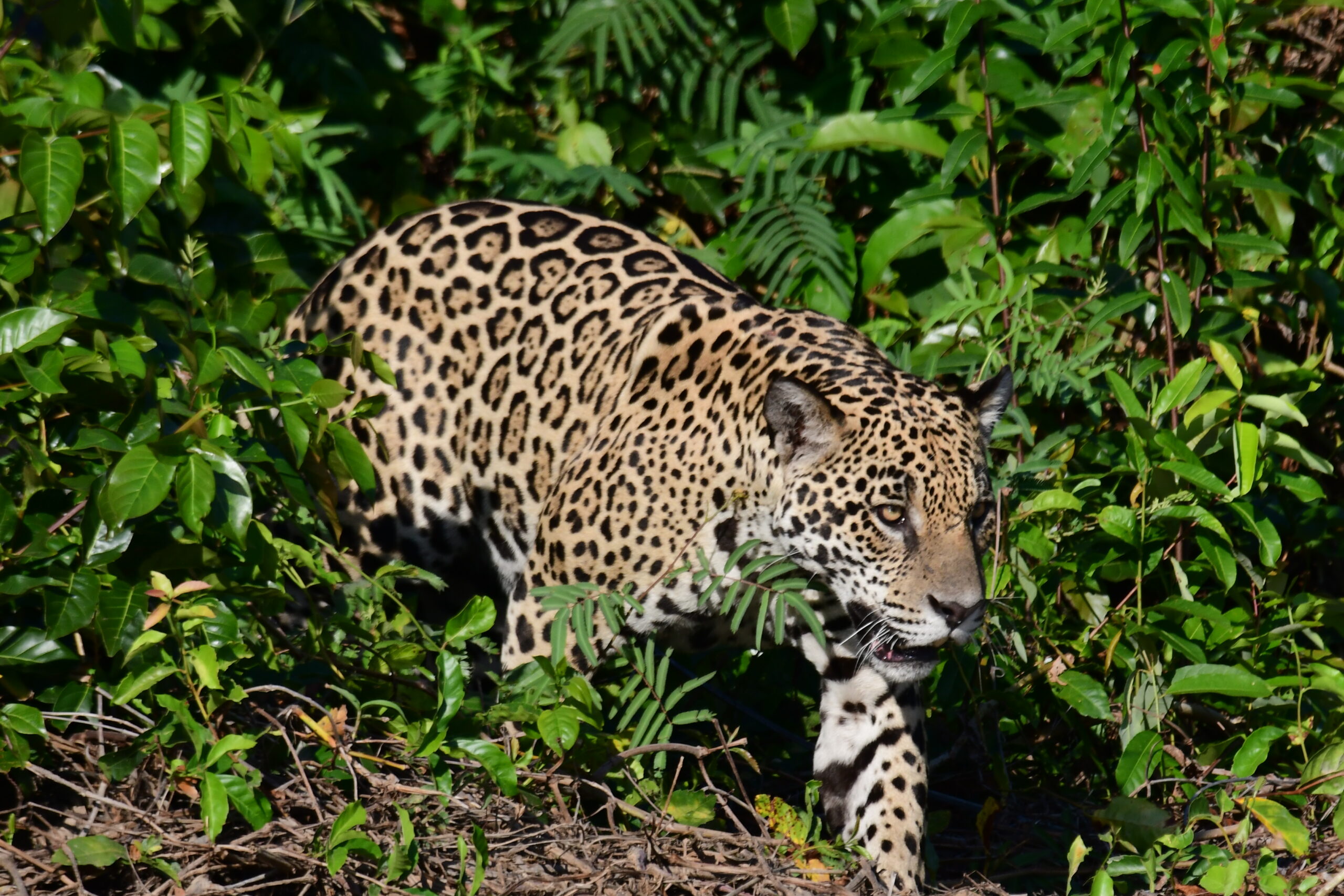
During your Pantanal safari in July, prepare for an astonishing display of wildlife. The dry season concentrates animals in accessible areas, increasing the chances of spotting capybaras, caimans, and an impressive variety of water birds like herons and toucans. Terrestrial mammals, such as tapirs and marsh deer, are also easier to spot. For the fortunate, this is an excellent time to observe the majestic jaguar, especially along riverbanks where they seek prey. The diversity and accessibility of the fauna make July a dream month for wildlife watchers and photographers.
Climate and Conditions in the Pantanal in July
The climate in the Pantanal during July is characterized by the transition to the dry season. This translates to predominantly sunny and dry days, with pleasant daytime temperatures ranging between 25°C and 30°C (77°F and 86°F). Nights are cool, often dropping to around 10°C (50°F), offering a comfortable contrast for outdoor activities and an excellent opportunity to observe the starry sky without the humidity or rains usual at other times. It’s an ideal climate to fully enjoy safari activities.

Terrain conditions in July are optimal for exploration. The reduced water levels in rivers and lagoons concentrate aquatic and terrestrial life in more defined areas, facilitating sightings. Roads and trails, which can be impassable during the rainy season, become accessible, allowing broader access to different parts of the Pantanal. This improved accessibility, coupled with wildlife visibility, makes a Pantanal safari in July a superior logistical and visual experience for most travelers, maximizing opportunities for wildlife encounters.
Recommended Activities for Your July Safari
Jeep safaris are a fundamental activity for exploring the vast expanses of the Pantanal in July. 4×4 vehicles allow you to access more remote areas and observe wildlife from a safe distance. Local guides, experts in animal behavior, will take you to the best observation points to spot jaguars, tapirs, capybaras, and countless birds. The early morning hours and sunset are especially productive, as many animals are more active during these times of lower heat and light. A package like the Pantanal Jaguar Safaris 4 Days (Lodge) often includes these types of excursions.
Guided walks are another excellent way to connect intimately with the Pantanal’s nature in July. These excursions, done on foot or horseback, immerse you in the ecosystem at a more leisurely pace, allowing you to appreciate the details of the landscape, local flora, and the behavior of smaller, more discreet animals you might miss in a vehicle. Guides will teach you about the vegetation, animal tracks, and survival techniques in this unique environment. It’s a fantastic opportunity for landscape photography and for a more sensory and educational experience.
Boat or canoe trips along the Pantanal’s rivers and lagoons are essential in July. With the decrease in water levels, riverbanks become gathering spots for wildlife, and navigating brings you closer to them in a unique way. You’ll be able to observe caimans basking in the sun, otters swimming in the waters, and a wide variety of water birds feeding. Additionally, these excursions offer a different perspective of the Pantanal landscape, with the possibility of spotting jaguars coming to drink water. The tranquility of the water in July makes these experiences especially serene and memorable.
Frequently Asked Questions about Pantanal Safari in July
Is it safe to visit the Pantanal in July?
Yes, July is a safe month to visit the Pantanal. The weather is dry, which reduces the risk of mosquito-borne diseases and makes access to tourist areas easier.
What should I wear for a Pantanal safari in July?
Lightweight clothing in neutral colors, long sleeves for sun and insect protection, a hat, sunglasses, insect repellent, and sunscreen are recommended. Don’t forget a sweater or jacket for the cool evenings.