The Brazilian Pantanal is an unparalleled wildlife sanctuary, a vast ecosystem where biodiversity flourishes in its fullest expression. Among its most emblematic inhabitants is the majestic jaguar, a stealthy and powerful predator whose sighting is the aspiration of explorers and nature lovers worldwide. Planning a trip to observe these magnificent felines requires knowledge and an understanding of the natural cycles that govern their behavior.
Determining the best times to see jaguars in the Pantanal is crucial to maximize opportunities for an unforgettable encounter. The abundance of prey, rainfall patterns, and vegetation density are determining factors that influence the visibility and activity of these animals. Anticipating these cycles allows us to design a successful and respectful expedition of their habitat.
Introduction: The Magic of the Jaguar in the Pantanal and a Look Ahead to 2026
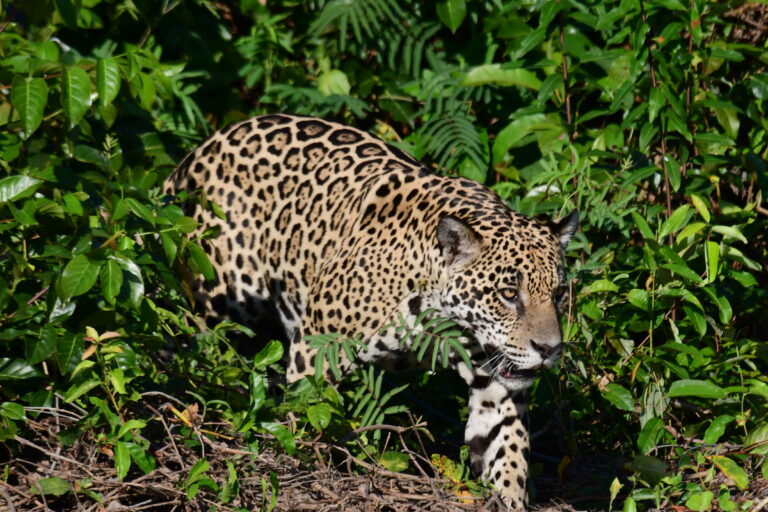
The Pantanal, the largest tropical wetland on Earth, is synonymous with lush wildlife and breathtaking landscapes. At the heart of this vast floodplain resides the jaguar (Panthera onca), a symbol of power and mystery. Their encounters, though elusive, offer a deep connection with the wild, transforming an observation trip into a transformative experience. The anticipation of seeing the jaguar in its natural habitat, especially with a look at the Best Times to See Jaguars in the Pantanal: Outlook for 2026, adds a layer of excitement to the planning.
Jaguars are solitary and territorial animals, whose presence is most noticeable during certain times of the year, primarily influenced by the Pantanal’s hydrological cycles. The dry season facilitates their sighting by concentrating prey near water bodies and reducing vegetation density. However, the wet season also presents unique opportunities, with spectacular landscapes and the possibility of observing specific behaviors. Understanding these dynamics is essential for any traveler dreaming of beholding this magnificent feline.
Looking ahead, particularly to the Best Times to See Jaguars in the Pantanal: Outlook for 2026, it’s important to consider how climate patterns and conservation initiatives might influence the experience. Sustainability and responsible tourism are fundamental pillars for ensuring the preservation of the jaguar’s habitat and, consequently, the continuity of sightings for future generations. An informed approach and careful planning will allow us to maximize our chances in the coming year.
Key Factors Determining the Best Time for Sightings
Water level fluctuation is undoubtedly the most determining factor for jaguar sightings in the Pantanal. During the rainy season, generally from October to March, the vast plains flood, creating an aquatic landscape that hinders visibility. However, this period can also be crucial for the reproduction of its prey, such as capybaras and caimans. Knowledge of these hydrological cycles is fundamental to anticipating when the jaguar will be most accessible.
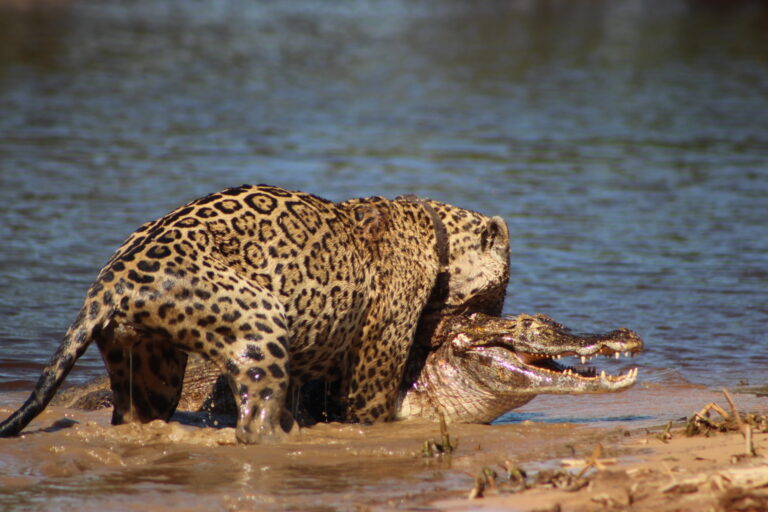
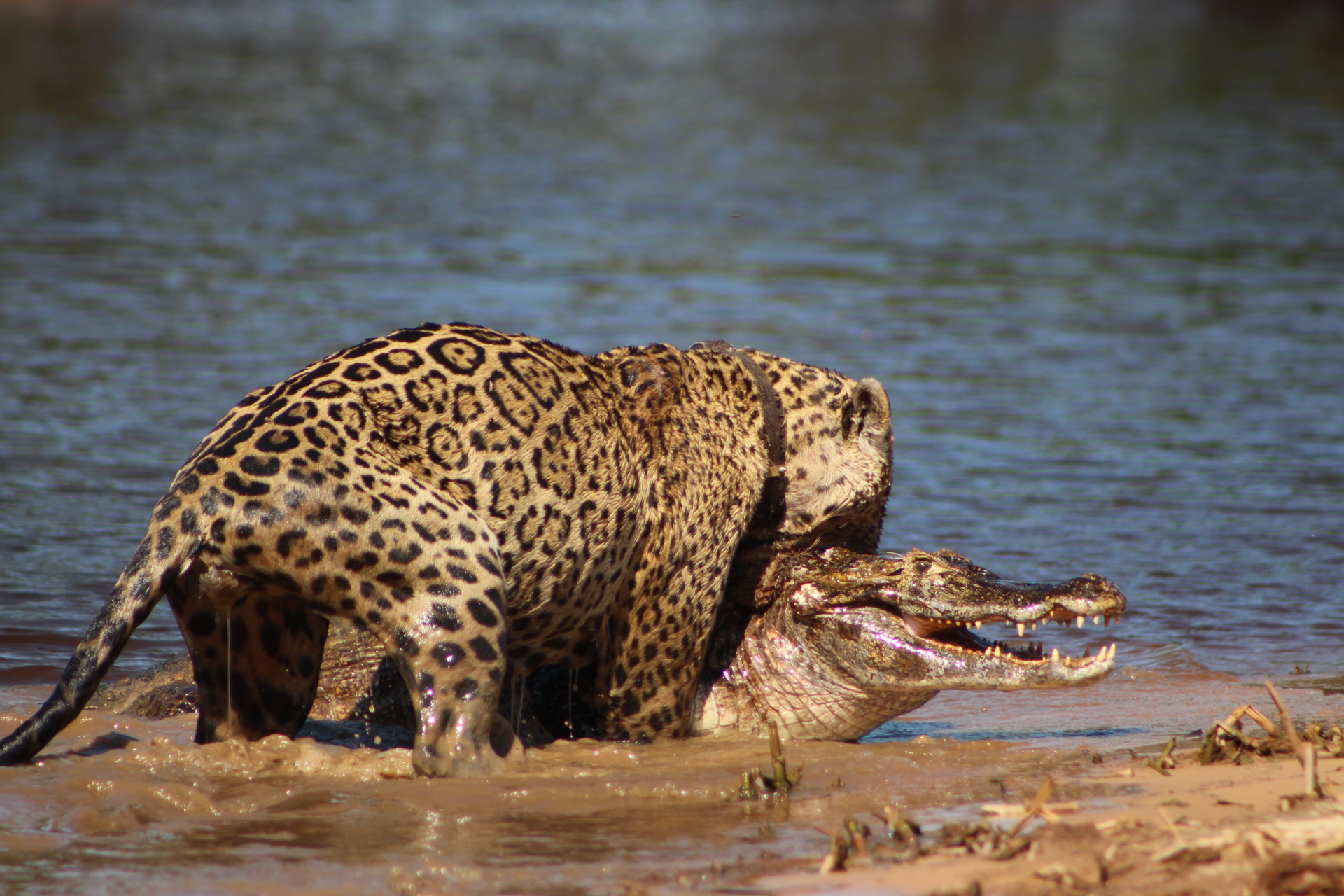
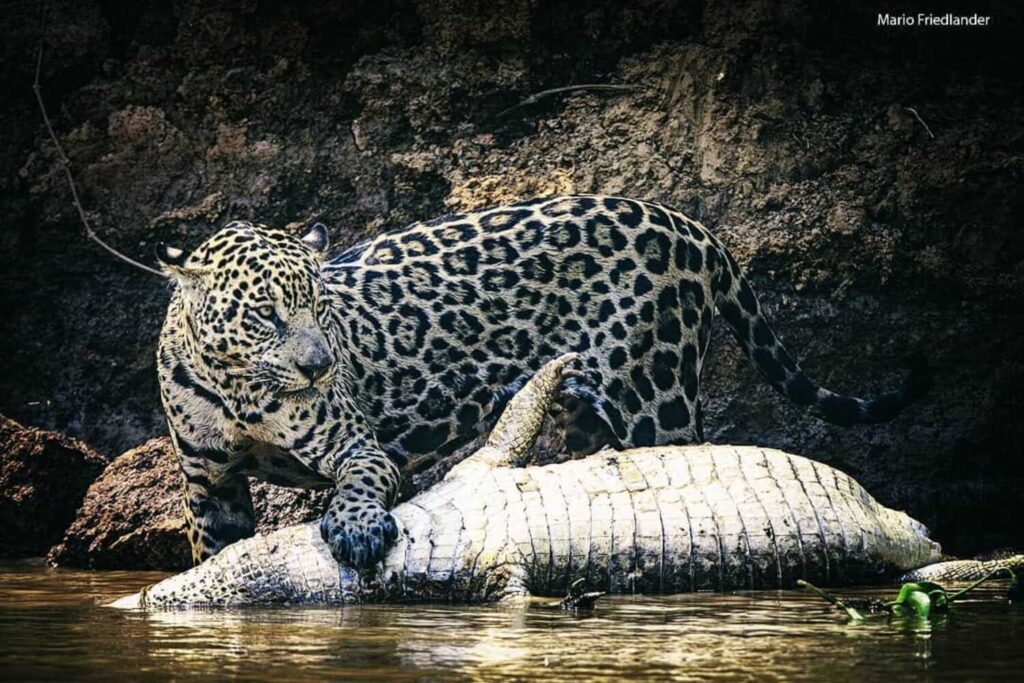
Prey availability is another crucial element. Jaguars are opportunistic predators that feed on a variety of animals, including capybaras, caimans, fish, and deer. When water levels recede and vegetation dries out, prey concentrates in smaller areas and around permanent rivers and lagoons. This concentration facilitates hunting for the jaguar and, consequently, increases the chances of observers seeing it in action. The search for Best Times to See Jaguars in the Pantanal: Outlook for 2026 must consider the dynamics of these prey populations.
Vegetation density plays a significant role in the difficulty of sightings. During the rainy season, vegetation grows exuberantly, offering the jaguar perfect camouflage and limiting visibility from boats or vehicles. As the dry season progresses, vegetation reduces, leaving grasslands more exposed and riverbanks more accessible for observation. Therefore, months with less vegetation are usually the most productive for seeing jaguars.
Human activities, such as fishing and agriculture, can also indirectly influence jaguar behavior and visibility. However, in conservation areas and more remote regions of the Pantanal, the impact is minimal. The trend towards more sustainable and regulated tourism seeks to minimize any alteration to the jaguars’ natural behavior. Constant monitoring of these variables helps us predict Best Times to See Jaguars in the Pantanal: Outlook for 2026 with greater accuracy.
Detailed Season Analysis: When to Look for the King of the Pantanal?
The dry season in the Pantanal, generally spanning from May to September, is considered the golden period for jaguar sightings. During these months, water levels drop drastically, revealing extensive areas of land and concentrating wildlife, including jaguars and their prey, around the remaining rivers and lagoons. This reduced vegetation cover and increased animal activity in search of water and food exponentially increase sighting opportunities.
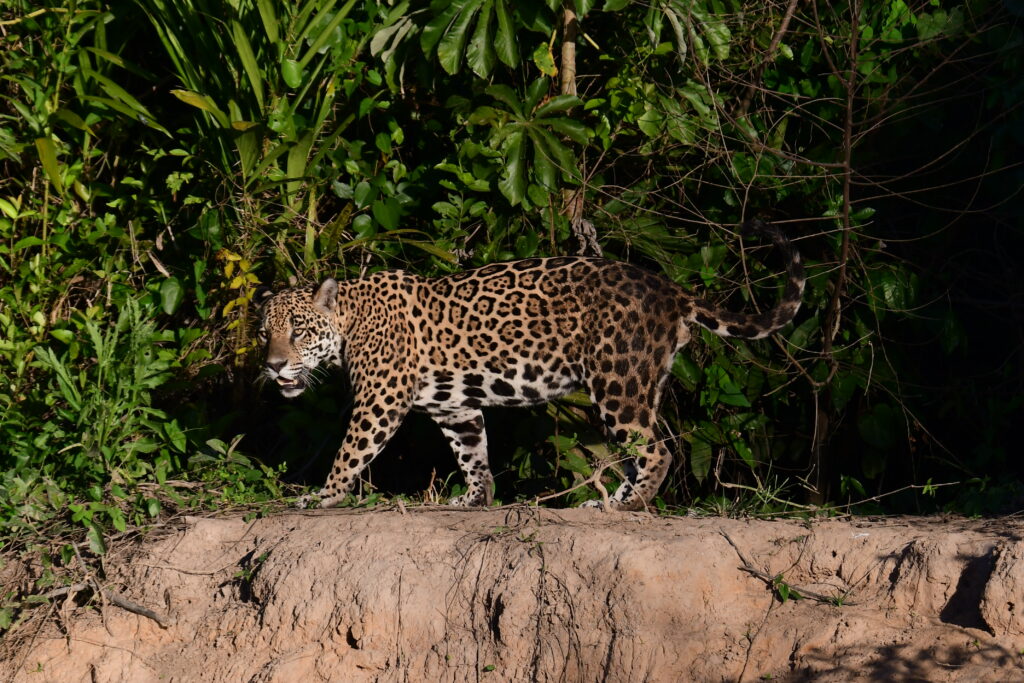
The months of June, July, and August are usually the most promising. Rivers like the Cuiabá, São Lourenço, and Miranda become hubs of activity. Jaguars, attracted by the abundance of caimans and capybaras congregating on the banks, are frequently observed fishing or resting on the riverbanks. Boat tours and 4×4 safaris are the most effective and popular observation methods during this period, maximizing the chances of capturing spectacular images and beholding this feline in its full splendor.
The transition season, from April to May and September to October, offers an interesting window. At the beginning of the dry season (April-May), water begins to recede, and animals start to concentrate. At the end of the dry season and beginning of the wet season (September-October), water levels are still low but vegetation starts to turn green. Although visibility may not be as high as in the peak dry season, sightings remain very probable, and one can enjoy changing landscapes and less tourist traffic. It’s a good time for those seeking a more serene experience.
The wet season, from November to March, presents a different but not charm-less challenge. Water levels are high and vegetation is dense, which can make jaguar visibility difficult. However, this period is vital for the reproduction and rearing of many prey species. Jaguars may be spotted in higher areas or at the edges of flooded areas, and their hunting behavior may vary. The landscape transforms into a vibrant aquatic paradise, offering opportunities to observe wildlife in a different context and the richness of the biodiversity that sustains the jaguar.
To get a clear picture of when to plan your adventure, consider the following table which summarizes the optimal periods and characteristics of each season, helping you decide on the Best Times to See Jaguars in the Pantanal: Outlook for 2026, as shown in the table below:
Comparative Table of Seasons for Jaguar Sightings
| Season | Months | Water Level | Jaguar Visibility | Jaguar Activity |
| Dry Season (High Season) | May – September | Low | High | Concentration in rivers and lagoons, high hunting activity. |
| Transition (Dry to Wet) | April – May / September – October | Medium – Low | Medium – High | Beginning to concentrate / Starting to green up. |
| Wet Season (Low Season) | November – March | High | Low – Medium | Reproductive activity, hunting in elevated areas or flood edges. |
Outlook for 2026: Are There Changes or New Patterns?
The outlook for the Best Times to See Jaguars in the Pantanal: Outlook for 2026 suggests a continuation of historical patterns, albeit with increasing attention to the effects of climate change. While the dry season remains the safest bet for consistent sightings, fluctuations in the intensity and duration of rainfall are being observed, which could slightly alter flood and drought cycles. This underscores the importance of flexibility in travel planning.
Long-term monitoring studies and conservation initiatives in the Pantanal are crucial for predicting any anomalies or new patterns. The scientific community and tour operators collaborate to collect data on ecosystem health and wildlife behavior. Staying informed about updated reports on weather conditions and local recommendations will be fundamental for travelers interested in maximizing their sighting opportunities in 2026.
Overall, sustainable tourism management and the protection of conservation areas are expected to play an increasingly important role. This ensures that the jaguar’s habitat remains healthy and that the sighting experience is positive for both the animals and the visitors. Therefore, the Best Times to See Jaguars in the Pantanal: Outlook for 2026 will benefit from a conscious and respectful approach to the natural environment.
Additional Tips and FAQs for Your Trip
When planning your jaguar spotting adventure, consider booking your trip during the peak sighting season (June-August) if you aim to maximize your chances. Opt for tour operators with experience and a reputation for wildlife spotting, who prioritize sustainability and animal welfare. Bring adequate photographic equipment to capture those unique moments, sun protection, insect repellent, and comfortable, breathable clothing. Patience is key; jaguars are elusive, and every encounter is a privilege. Prepare for an unforgettable experience!
The following frequently asked questions aim to clarify common doubts to help you organize your expedition and have the best possible experience when seeking the Best Times to See Jaguars in the Pantanal: Outlook for 2026.
What is the best time to see jaguars in the Pantanal?
The dry season, from May to September, is considered the best time due to low water levels and prey concentration, which facilitates sightings.
Can I see jaguars during the wet season?
Yes, although visibility is lower due to dense vegetation and high water levels. Sightings are possible in elevated areas or at the edges of flooded zones, and the visual experience of the landscape is spectacular.
What should I pack for a trip to the Pantanal?
Lightweight and breathable clothing, insect repellent, sunscreen, hat, sunglasses, swimwear, binoculars, a camera with a good zoom, and a light rain jacket.
Is it safe to travel to the Pantanal?
Yes, the Pantanal is a safe destination for tourism, especially in areas designated for wildlife viewing. Local guides are highly trained to ensure the safety of visitors and respect for wildlife.