The adventure of birdwatching in the Pantanal is an unparalleled experience. Prepare to be dazzled by the richness of the avifauna that inhabits this natural sanctuary. Discover the perfect time for your trip and what to expect from this ecological wonder.
This article will offer you a detailed insight for planning your ornithological expedition. We will guide you through the best seasons, key locations, and most sought-after species, ensuring your visit to the Pantanal wetlands is unforgettable. Here begins The definitive guide to birdwatching in the Pantanal wetlands.
Introduction: The Pantanal, a Birdwatcher’s Paradise
The Pantanal, one of the largest wetlands in the world, stands as a sanctuary of unparalleled biodiversity, especially for avifauna. Its vast expanse of flooded plains, winding rivers, forests, and savannas creates a mosaic of habitats that attracts thousands of bird species. From majestic toucans and colorful macaws to elusive hummingbirds and abundant water birds, this ecosystem offers a visual and auditory spectacle for any nature lover.
The richness of available prey and the diversity of ecological niches allow an impressive number of birds to thrive here. It is a prime destination for birdwatching, attracting enthusiasts and experts from around the globe. Planning a visit during the right season maximizes sighting opportunities and allows for an understanding of the fascinating dynamics of this unique biome. The Pantanal is, without a doubt, a dream come true for ornithologists.
The Best Time and Places for Birdwatching
Choosing the right time is crucial for maximizing your sightings in the Pantanal. Generally, the dry season, which spans from May to September, is considered the best for birdwatching. During this period, waters recede, concentrating wildlife around the remaining water bodies and making them easier to locate. Waterfowl gather in large numbers, and terrestrial species search for food in more accessible areas. However, the rainy season (October to April) also has its charm, with lush landscapes and the arrival of migratory birds that further enrich the species list.
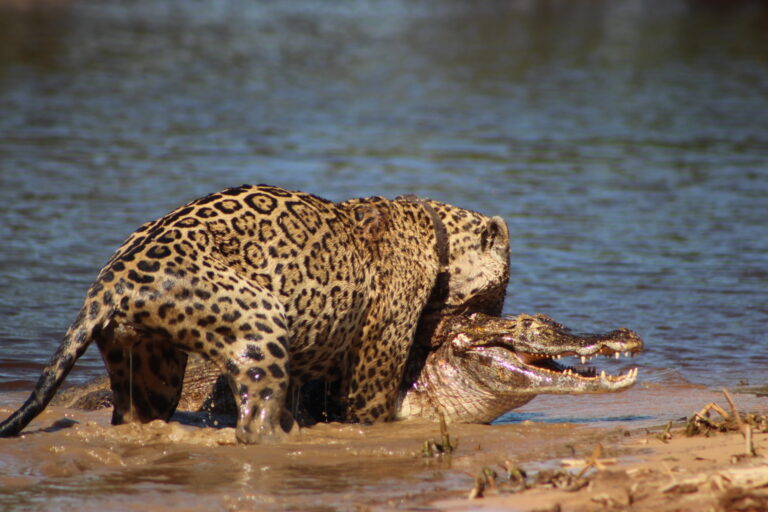
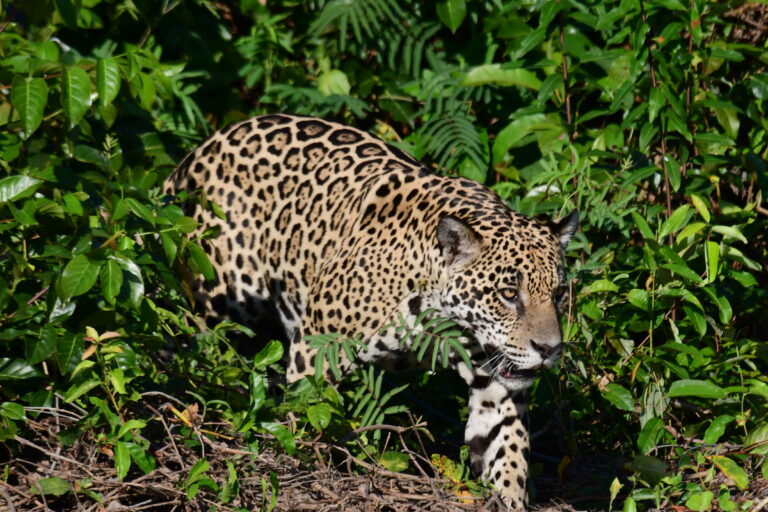
Regarding locations, the Pantanal offers diverse regions with unique characteristics. The Northern Pantanal, especially around the Poconé region and Chapada dos Guimarães National Park, is known for its easy access and abundance of species. The Southern Pantanal, accessible from Campo Grande and Corumbá, offers more remote and spectacular experiences in areas like Fazenda San Francisco and Bahia Negra. For those interested in unique combinations, consider packages like the Pantanal Jaguar Safaris 4 Days (Lodge), which also allows for spotting a remarkable variety of birds.
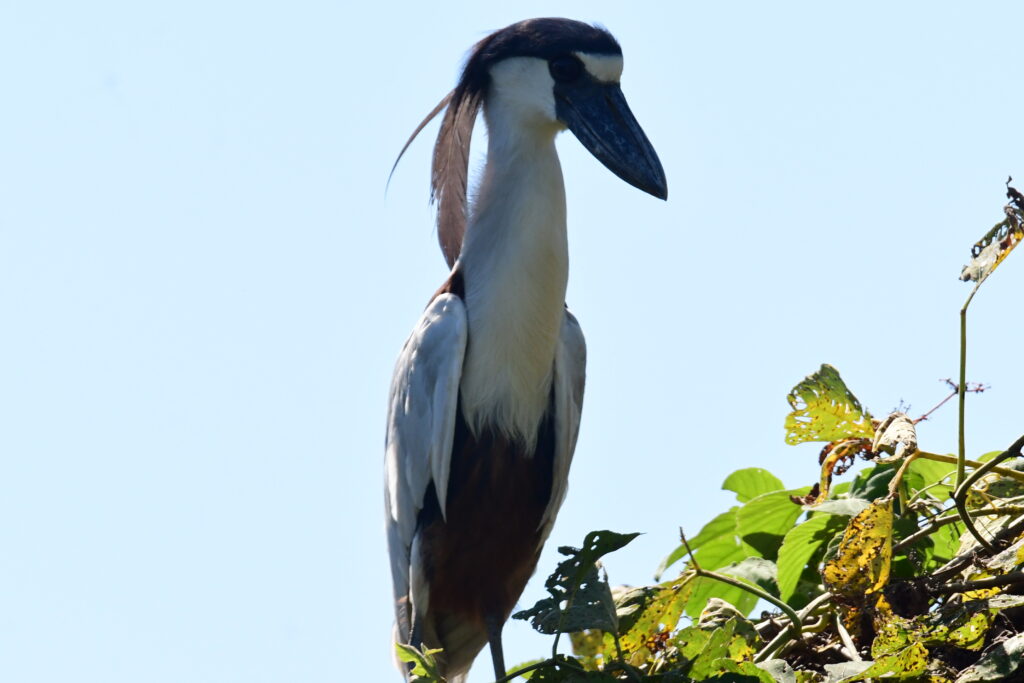
Species Identification: Iconic Pantanal Birds
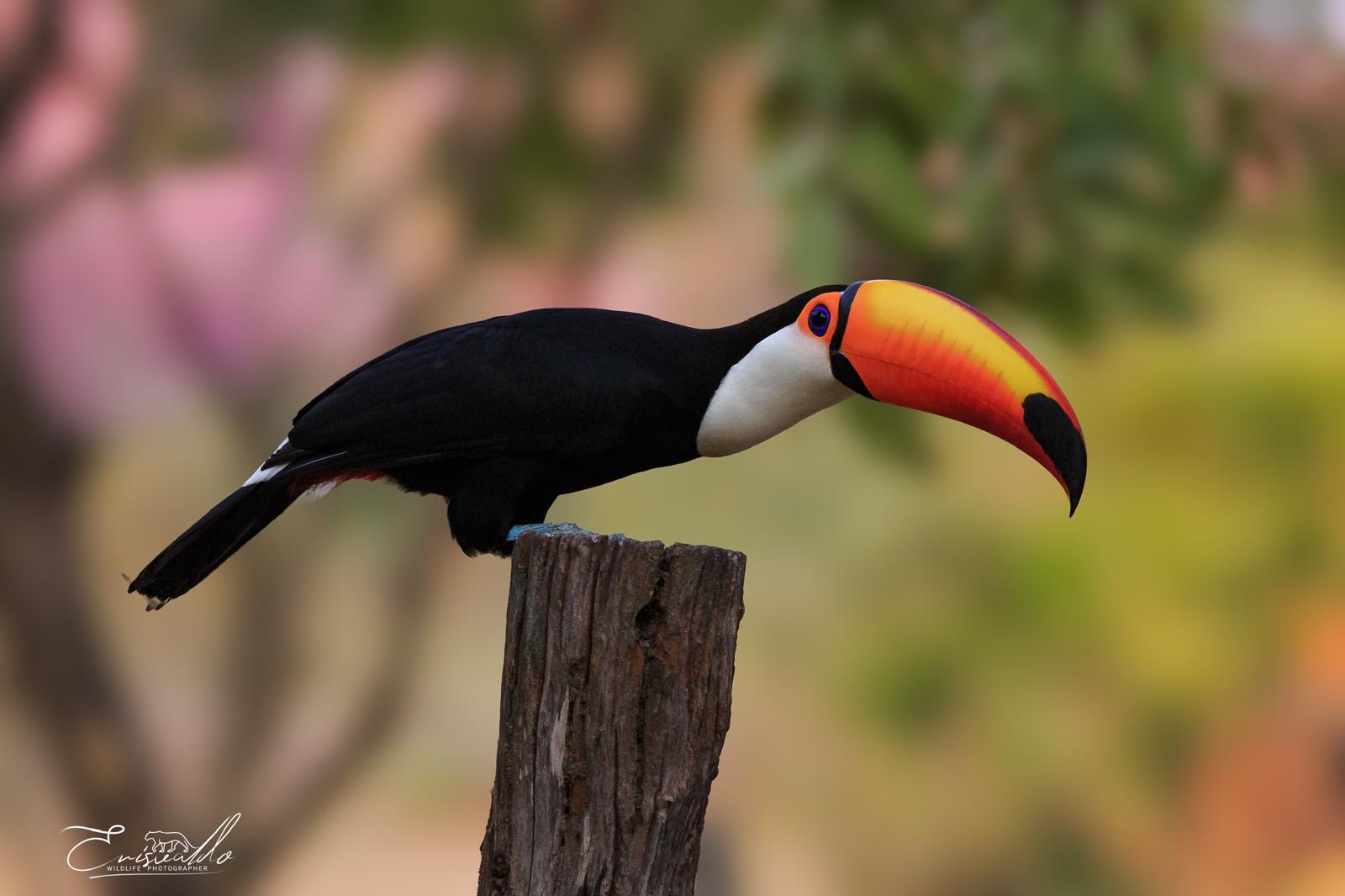
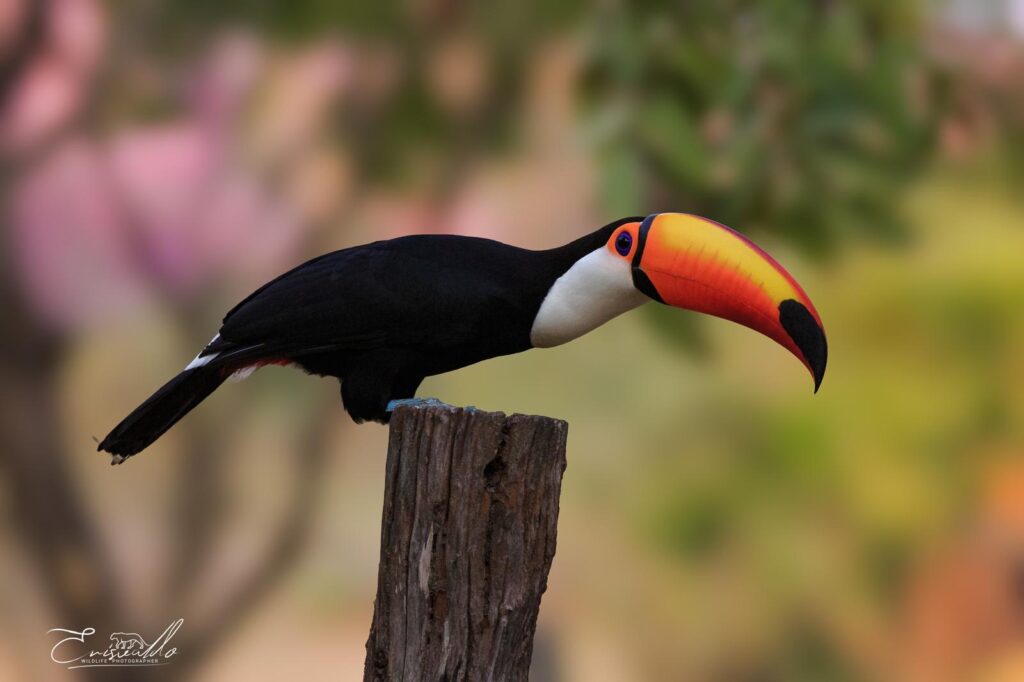
The Pantanal is home to spectacular avifauna, with species that captivate with their color, size, and behavior. Among the most sought-after are the imposing Jabiru (Jabiru mycteria), Brazil’s national bird, easily recognizable by its large size and red and black neck. The vibrant Hyacinth Macaws (Anodorhynchus hyacinthinus) are an iconic sight, though endangered. Also common are the Toco Toucan (Ramphastos toco), with its colorful beak, and the Neotropic Cormorant (Phalacrocorax olivaceus), an agile swimmer. Sightings of various species of herons, roseate spoonbills, and flamingos are almost guaranteed in the wetlands.
Practical Tips for a Successful Experience
To ensure your birdwatching experience in the Pantanal is unforgettable, preparation is key. Wear neutral-colored, lightweight, and breathable clothing that protects you from the sun and insects. A good pair of binoculars (8×42 or 10×42 are ideal) is essential for appreciating the birds’ details without disturbing them. Don’t forget a spotting scope for more detailed long-range observation, and a camera with a good zoom to capture your sightings. Bring insect repellent, sunscreen, a hat, and sunglasses.
Consider hiring local guides specializing in ornithology. Their knowledge of the terrain and bird habits is invaluable for locating hard-to-see species and learning about their behavior and ecology. Many areas of the Pantanal offer boat tours or all-terrain vehicle tours that allow you to access remote habitats. If you’re looking for a comprehensive experience, a package combining wildlife safaris, like the Pantanal Jaguar Safaris 4 Days (Lodge), will provide additional opportunities to observe a diversity of birds in their natural environment. Patience and respect for wildlife are fundamental for a rewarding and sustainable experience.
Frequently Asked Questions about Birdwatching in the Pantanal
What is the best season to see the most birds?
The dry season (May to September) is ideal, as birds congregate near water bodies. However, the rainy season is also interesting for migratory birds.
What equipment is essential for birdwatching?
A good pair of binoculars (8×42 or 10×42), a camera with zoom, insect repellent, sunscreen, and appropriate clothing are indispensable.
Is it necessary to hire a local guide?
Yes, it is highly recommended. Local guides know the best spots, the wildlife, and their habits, greatly enriching the sighting experience.